



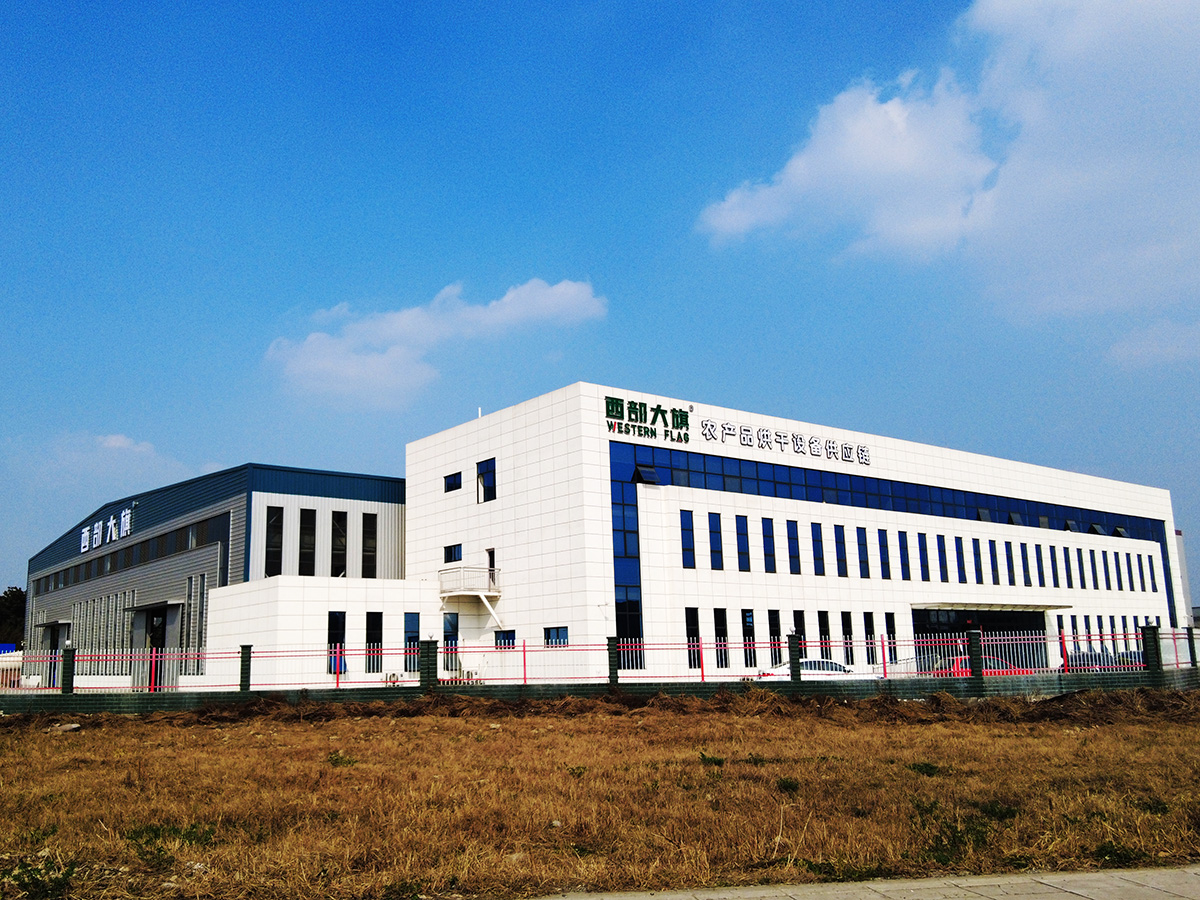


WesternFlag – OEM&ODM Service Available
How to choose the right industrial heater or dryer for your application?
You can first check our standard drying equipment solutions.
If they do not meet your requirements, please provide the following information:
1. Raw Material
Purpose: select drying equipment type
2. Processing Capacity (How much material do you need to process per batch or per hour?—Please specify whether it refers to fresh input capacity or dried output capacity.)
Purpose: select equipment model and size
3. Moisture Content (What are the initial and target moisture content of the material?)
Purpose: select heating system
4. Heat Source
Purpose: select drying equipment type
5. Local Power Supply (Voltage & Frequency)
Our Standard: 220V / 380V ; 50Hz
6. If you require a customized drying room, please provide:
(1) Available installation space (length *width *height) & Layout drawing
(2) Tray or trolley dimensions
(3) Fresh material loading capacity per tray/per ㎡/ per m³
(4) Previous drying data or drying records (if available)
7. If you require a customized continuous drying system, please provide:
(1) Available installation space (length *width *height) & Layout drawing
(2) Fresh material loading capacity per ㎡/ per m³
(3) Previous drying data or production records (if available)


How Long Does the Drying Process Take?
Based on our extensive experience and testing data in Deyang city, we can provide an estimated drying time range and recommended drying process for different materials.
Deyang is located in a mid-latitude region and has a subtropical humid monsoon climate. It is approximately 491 meters above sea level, with an annual average temperature of 15–17°C. The average temperature is around 5–6°C in January and about 25°C in July, with an annual average relative humidity of approximately 77%.
So, actual drying time may vary depending on different conditions. Trial drying tests and debugging equippments are recommended before mass production to ensure the best drying results.
Several factors can affect drying time and drying performance:
1. Drying temperature
2. Humidity domestic and water content of stuff.
3. Hot air flow
4. Material characteristics, including size, shape, and thickness
5. Material loading method and thickness of material layers
6. Required drying process and final product quality requirements
For example, when drying clothes outdoors, they dry faster when the temperature is higher, the humidity is lower, and the air movement is stronger. Different materials also have different drying characteristics — thin silk pants will dry faster than thick jeans.
However, drying conditions have certain limits. Excessive temperature may damage the material quality, and improper air flow may result in uneven drying. Therefore, the drying temperature and airflow need to be carefully adjusted according to different materials and drying requirements.


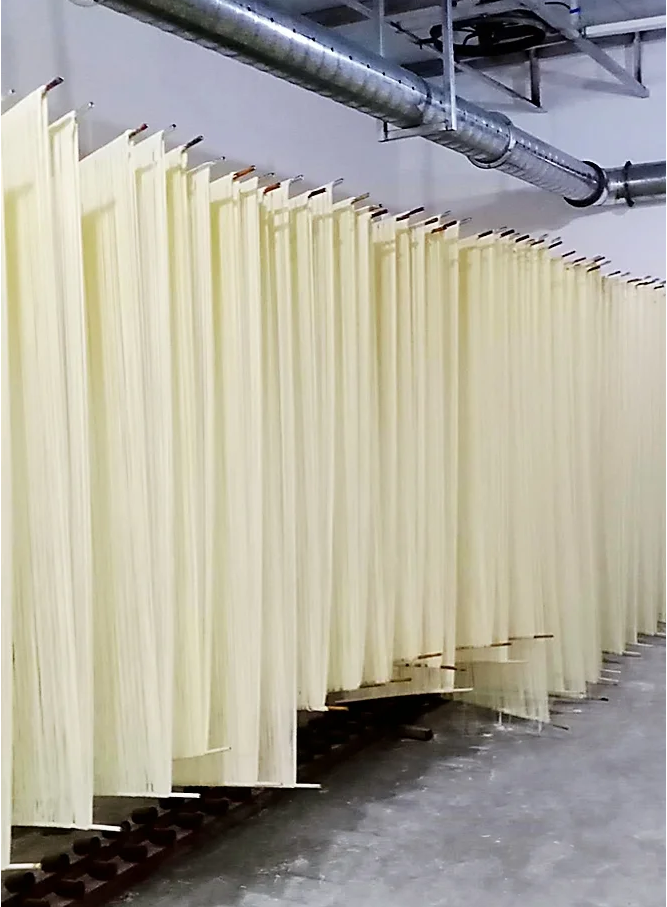

Why Drying Tests Are Important
With extensive OEM & ODM manufacturing experience, we have accumulated rich process parameters for hundreds of different drying materials. We can deliver reliable professional proposals according to your project conditions.
Even so, drying performance is subject to many application‑specific variables, so material drying tests are highly recommended.
Drying tests help confirm key operating parameters:
- Optimal drying temperature
- Drying time
- Airflow speed
- Loading method
- Energy consumption
Our Drying Solution Capability
As an OEM & ODM drying equipment manufacturer, we provide fully‑customized drying solutions for diverse processing demands.
Supported by our many proven material‑drying parameters, we deliver the best solutions for you.
Multiple heat source options are available to match your on‑site working conditions, including industrial drying rooms, continuous drying systems and so on.
Beyond equipment supply, we offer complete after‑sales services including installation guidance, technical support and one‑year product warranty.